



How to Assess Your Maritime Insurance Needs: A Step-by-Step Guide for Ship Owners
Anything can happen while you are at sea, accidents, wear and tear, functioning parts stopping working, or a natural disaster like storms or typhoons. It is always wise to get your maritime insurance in order whether you seldom take out your ship and use it as home or have a cargo ship etc. It is also critical to mention that if you use it as your home, you should get maritime insurance instead of a homeowner's, as it has varying policies and coverage.
Let's discuss some essential steps in assessing which policy is best for you.

1.The Purpose of Insurance: Insurance
The first step is understanding the fundamental importance of getting insurance, which you may think is unnecessary. So you need to understand the matter first.
· Not just your ship but thieves or pirates can steal any goods or valuables. So if something is stolen from your departure until your arrival, many insurances keep it covered in their policies.
· The same goes for any damage as above.
· It isn't cheap to buy a ship, and the maintenance costs are pretty high due to any damages. Getting it covered as soon as possible is best to get some valuable reprieve.
2.Factors Considered by Insurance Providers
Before going into further detail, the first thing you should understand about your ship's insurance is that the providers will evaluate it under some factors. Based on these factors and your needs, the premiums may vary significantly.
· How old is your boat, and did it have any renovations?
· The market value of your boat is based on its size and the power it packs.
· Is your ship approved under the Coast Guard standards?
· Is it a primary residence such as a houseboat with no motors, or is it used for an inboard, a fishing boat, an outboard, or similar?
· How many owners share ownership of this particular boat?
· Does it operate or stay in lakes, seas, oceans, etc?
3.Understand the Major Categories of Ship Insurance
While there are many types of insurance based on the above factors, the type of your ship, and its working, all of these insurance come down to 2 major categories. The premiums and pay-up vary based on these categories.
The first is when you have "Agreed Upon" the value of your ship when discussing with the provider and about to close the deal. The good thing about this policy category is that it doesn't involve any depreciation of your ship due to usage and market value later in the life cycle. The con is that you must pay a higher premium upfront to buy the insurance.
The 2nd category worries about how the ship depreciates based on the above factors with time and is known as "Actual Cash Value." The good thing about this category is that you must pay minimal premiums. The bad thing is that based on depreciation factors, you may get tiny in case of damages and partial losses that are small when you claim.
4.What Kind of Ship You Have Dictates Your Insurance Options
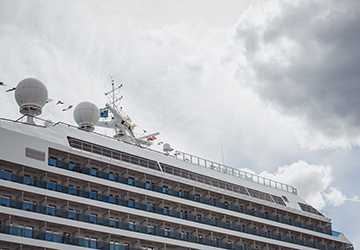
Now we come to the second most significant factor in obtaining your insurance, the kind of ship/boat you own. Starting with personal watercraft and ending up with liner or professional boats, all have different options. Consider the length of your ship/boat if you aren't a business or professional such as for boats smaller than 26' while yachts more significant than 27'.
For cruise, cargo, or professional ships, insurances provide different customization options depending on your needs.
Understand the Coverage Types Included in Ships
Different policies provide different coverages; here are some typical ones.
· Specialized Equipment – Consider GPS or satellite equipment. If you have similar equipment installed, they have exceptional coverage in case of damage or malfunction.
· Salvage Costs – Many insurances cover the cost of salvaging your ship after it is beyond repair due to damages mentioned in this article.
· Damages Other Than Wear & Tear – You can get the benefits even if your ship is damaged and needs intensive repairs due to rusting. Even longer voyages may cause damage due to mold or rot, which is also included in ship insurance.
· Relocation Charges – After your ship is rendered useless due to an accident or issue, the insurance covers the cost of relocation through towing. This towing can cost up to $400 per hour by different services.
5.Things Covered or Not Covered in Insurances
Read up on the supplementary documents provided by your insurance provider for details on what is not covered by the coverage. Fire accidents, sinking or sinking due to collision, the survey fees in case of damages, if you are stranded somewhere, if there are explosions or overturning for various reasons.
The things that aren't covered in typical maritime insurance are if the loss was intentional, such as war or riots, if you have filed for bankruptcy, failure to provide finances, etc.
6.Who Else Can Buy Ship's Insurance Other Than the Owner?
Did you know you are one of many to buy insurance for your ship? Other entities you provide service to can also chip in based on the service provided.
· Entities involved in selling ships or providing services that include crafts.
· Service buyers or those who employ ships to deliver goods.
· Many different kinds of merchants are involved in imports or exports.
· Banks if they have a stake in the ship.
7.Maintaining Document Backup
You must have all relevant documents on your ships to show them to authorities at ports or the coast guards when required. That means you can make a backup on shore, so you have an easier time claiming in case of any damages or destruction. You should share these essential documents periodically with your agents to keep a record.
8.Search Around and Keep Evaluating
Always make a search and comparison when you want to buy for the first time or are thinking of not renewing from your previous provider. You never know when you can find a much better option.